State-of-the-art testing technology for greater efficiency and verified performance values
The medium-sized manufacturer of refrigeration and air-conditioning equipment, Walter Roller, has always been committed to quality and reliability. A key objective of the company is to ensure that performance specifications are not merely theoretical values, but are backed by practical, verifiable performance under real operating conditions.
To further strengthen this position and reinforce its market leadership in performance validation, the company has made substantial investments in state-of-the-art testing technology.
New test cell provides reproducible, realistic testing conditions
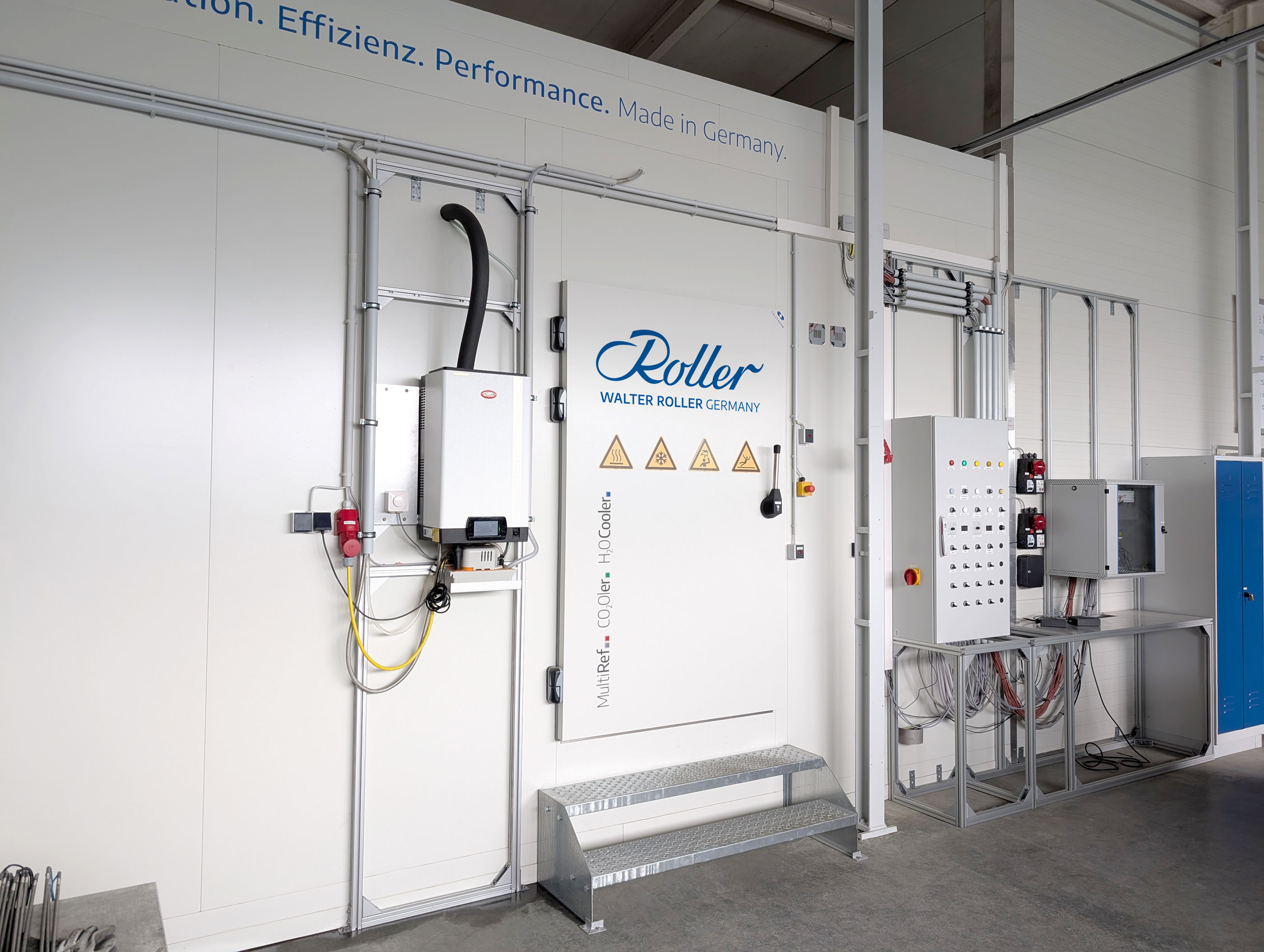
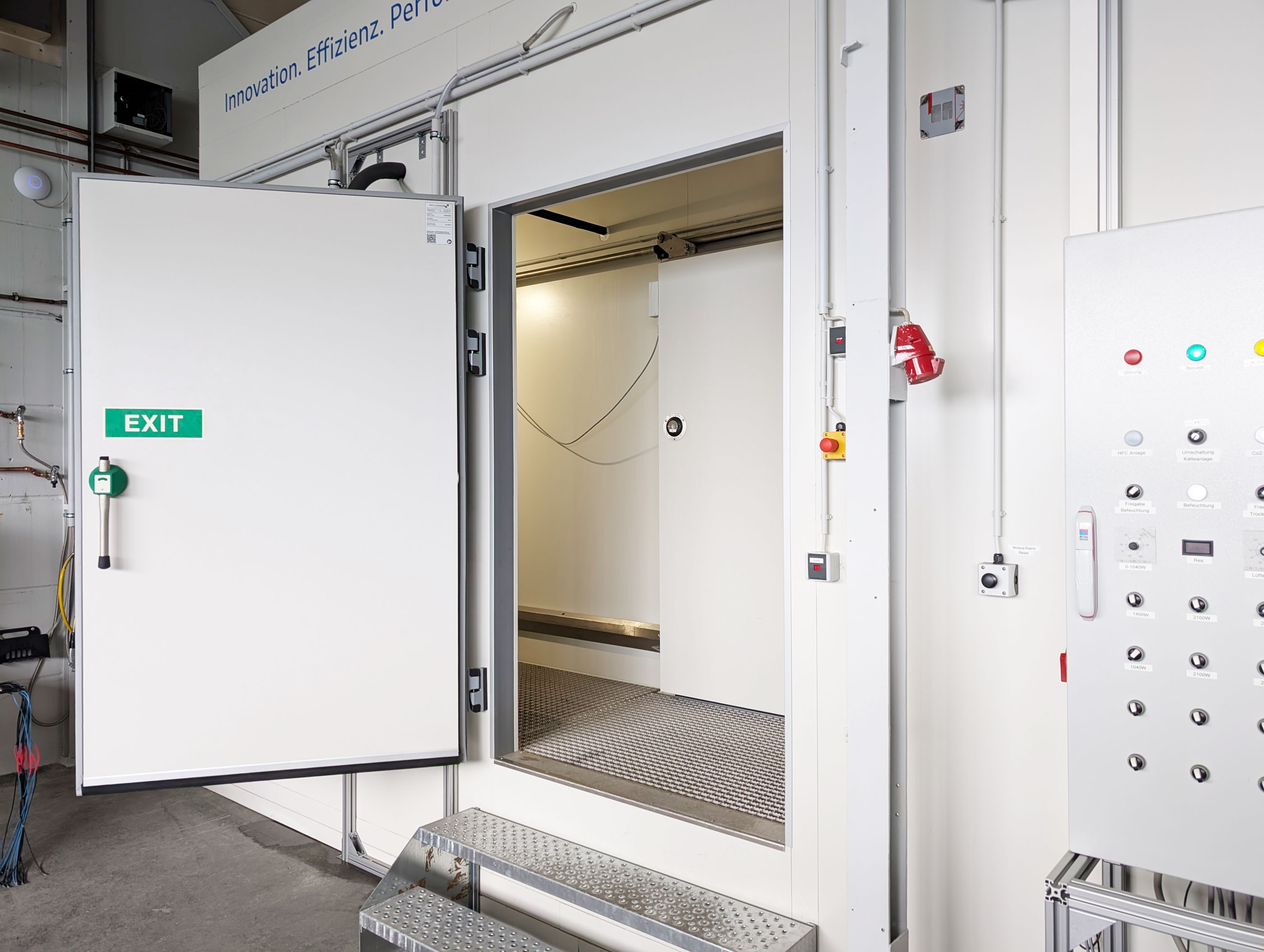
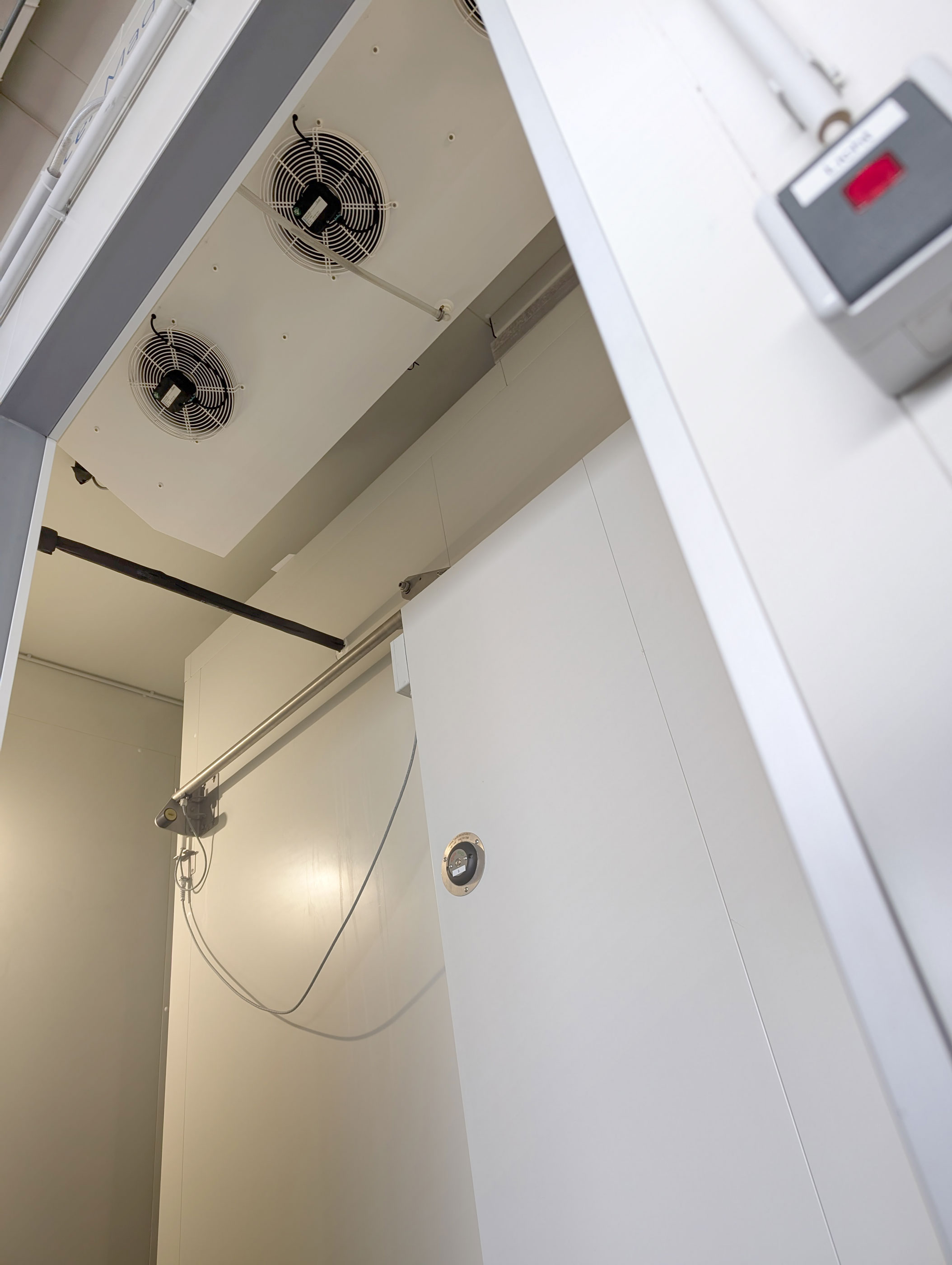
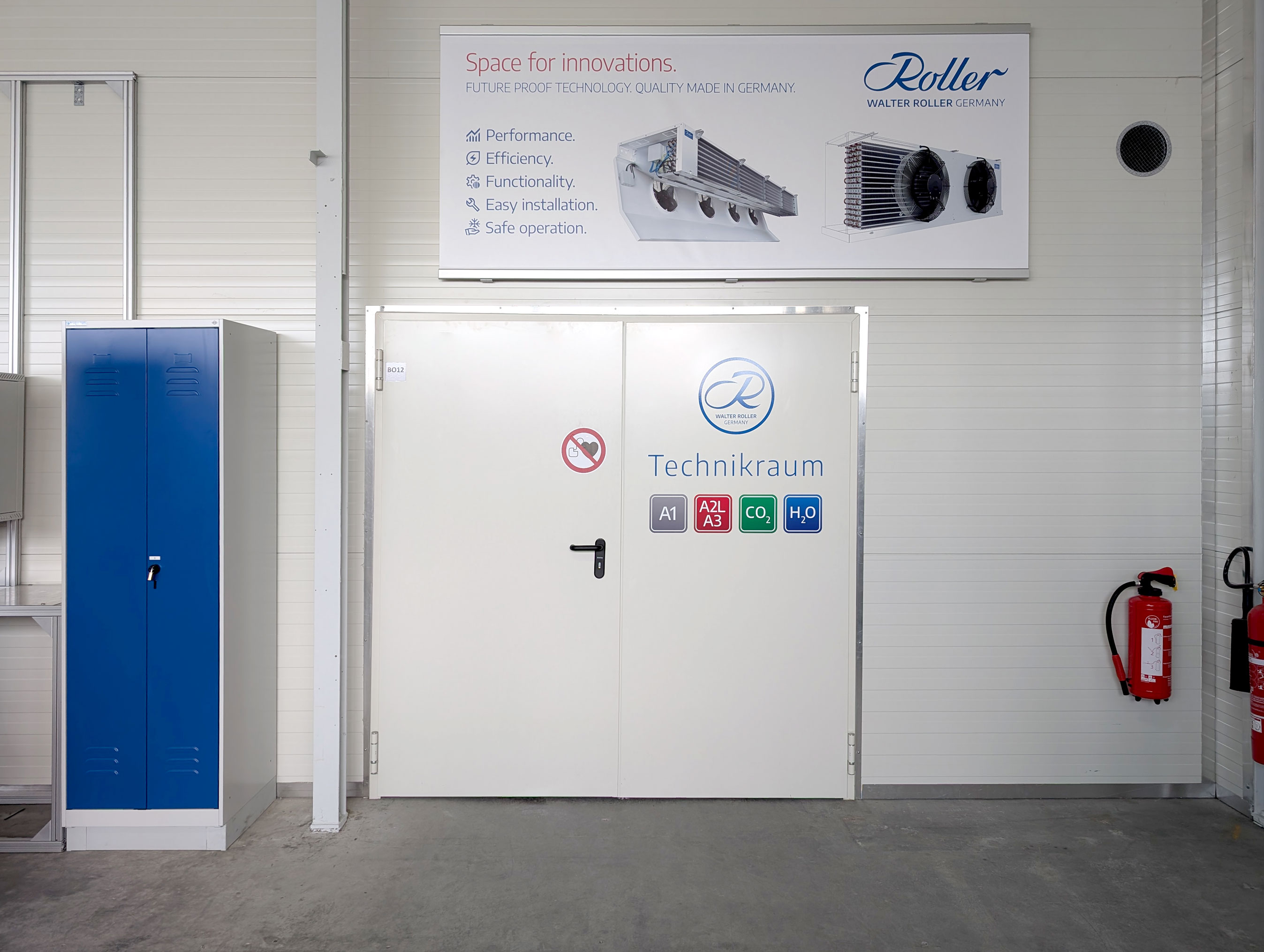
The centrepiece of this investment is a test cell that enables a wide range of tests under precisely controlled conditions. The design is based on a dual-chamber principle. An inner test chamber is completely enclosed by an outer chamber. When both chambers are brought to the same temperature, all transmission-related interference factors can be eliminated. This provides a decisive advantage in achieving highly accurate measurement results.
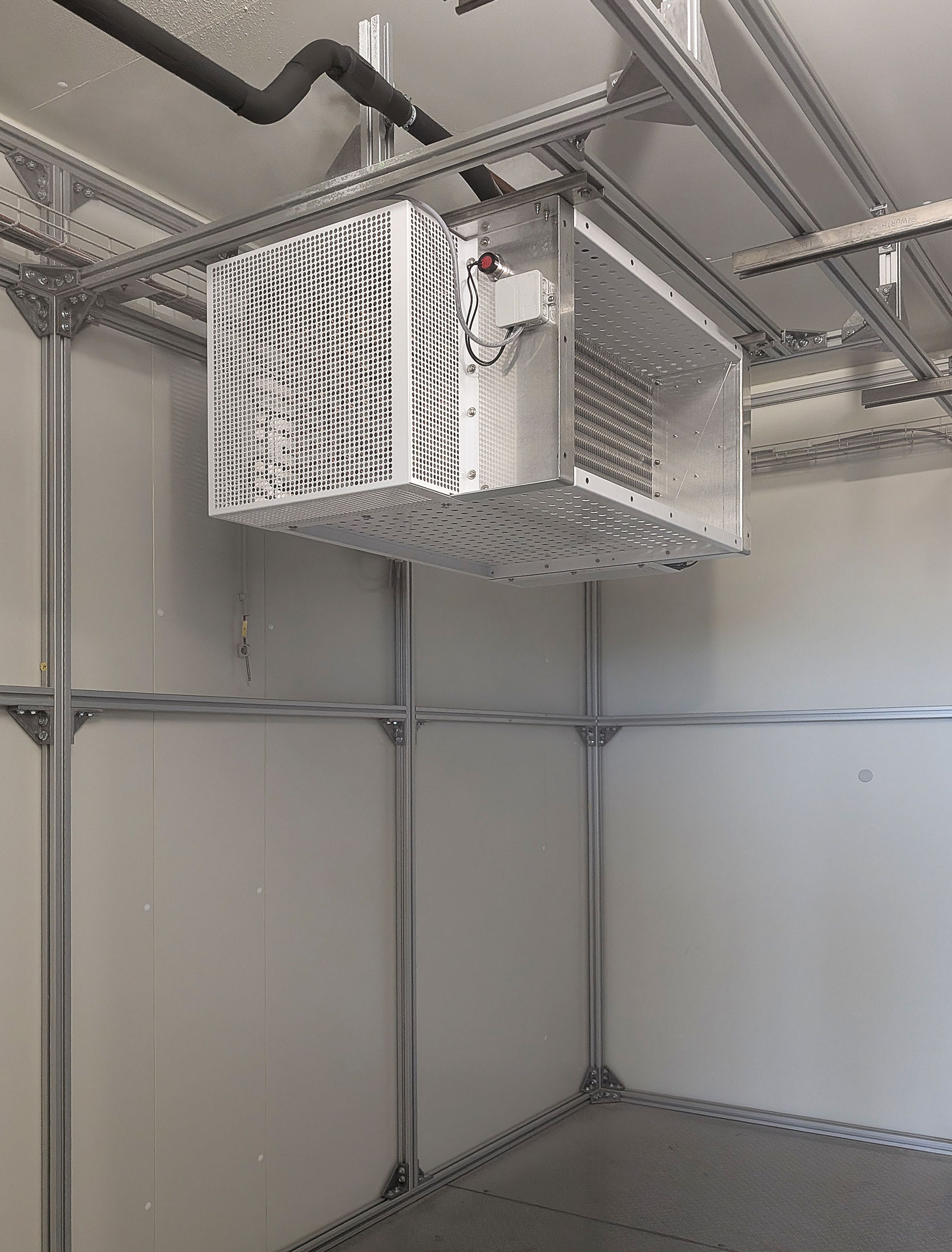
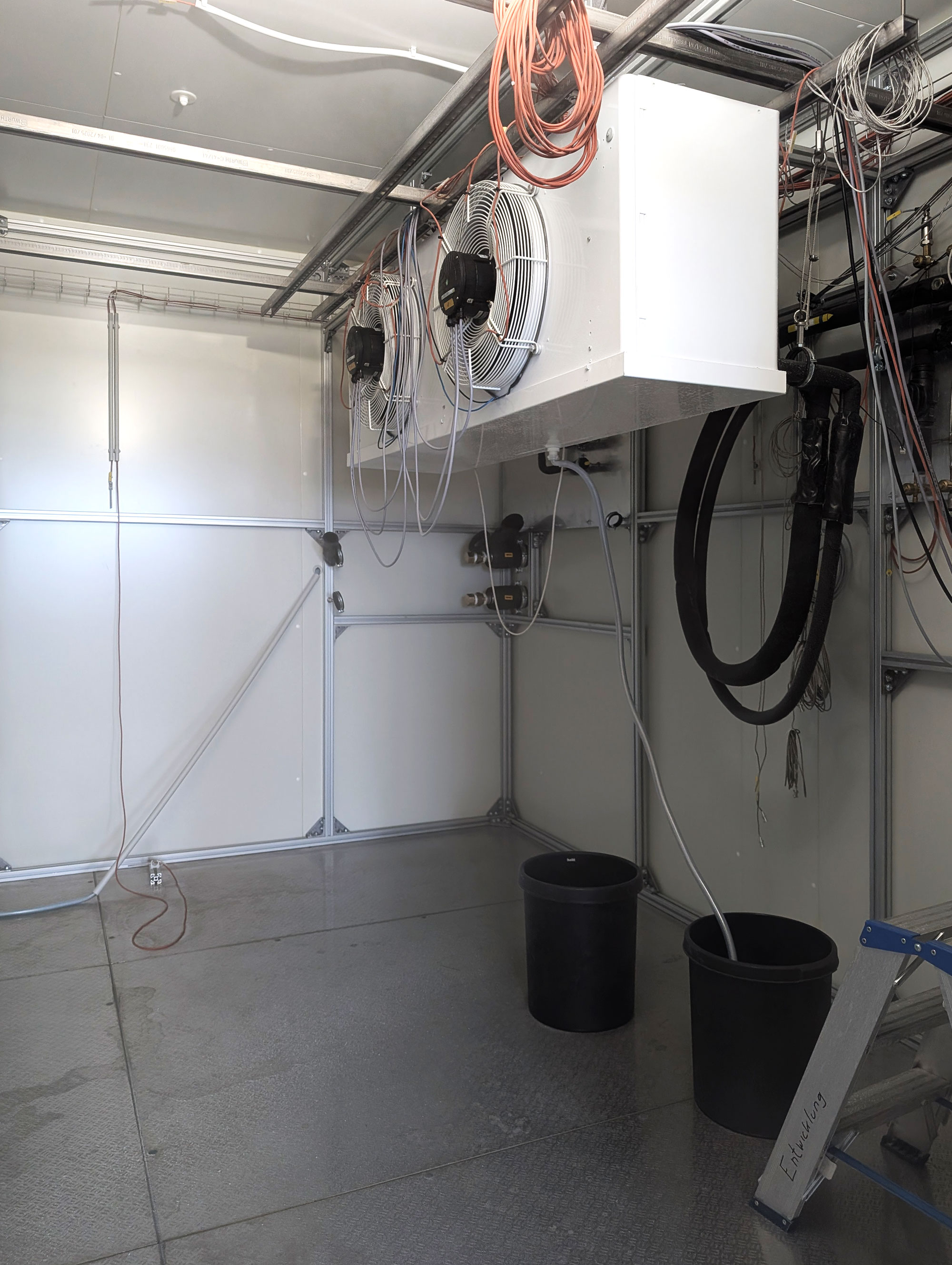
Within the inner chamber, cooling can be provided by an air cooler operating either as a direct CO2 evaporator or indirectly via a secondary refrigerant such as water or brine, while electric heating elements simultaneously provide a counter-heating load. Once a stable steady-state condition has been reached, the supplied and therefore also the removed heat can be determined precisely through energy balancing. In addition, the refrigerant mass flow rate in the test unit's liquid line is measured using a Coriolis flow meter. The combination of both methods ensures that performance data can be determined and specified as accurately as possible and in accordance with applicable standards.
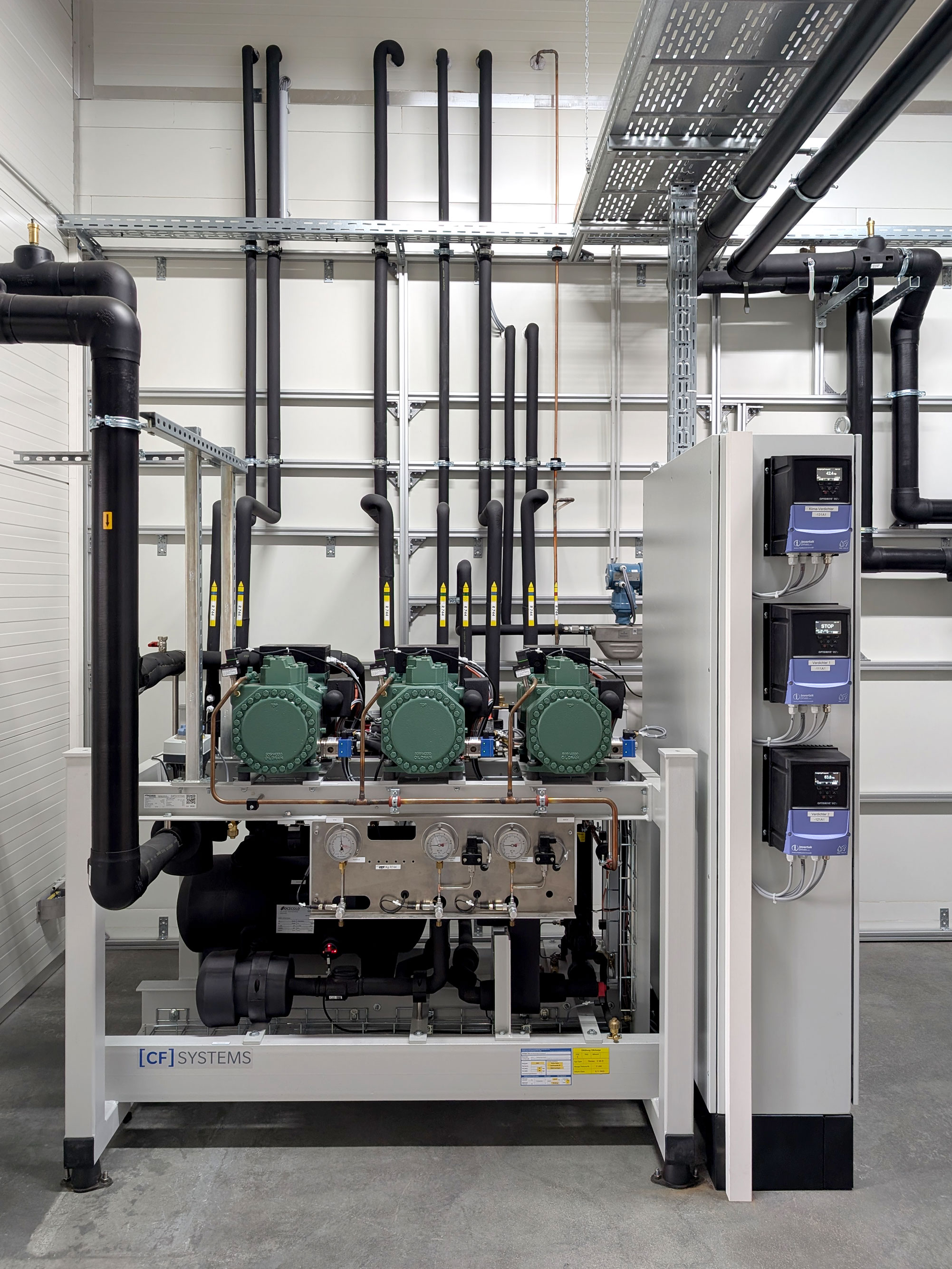
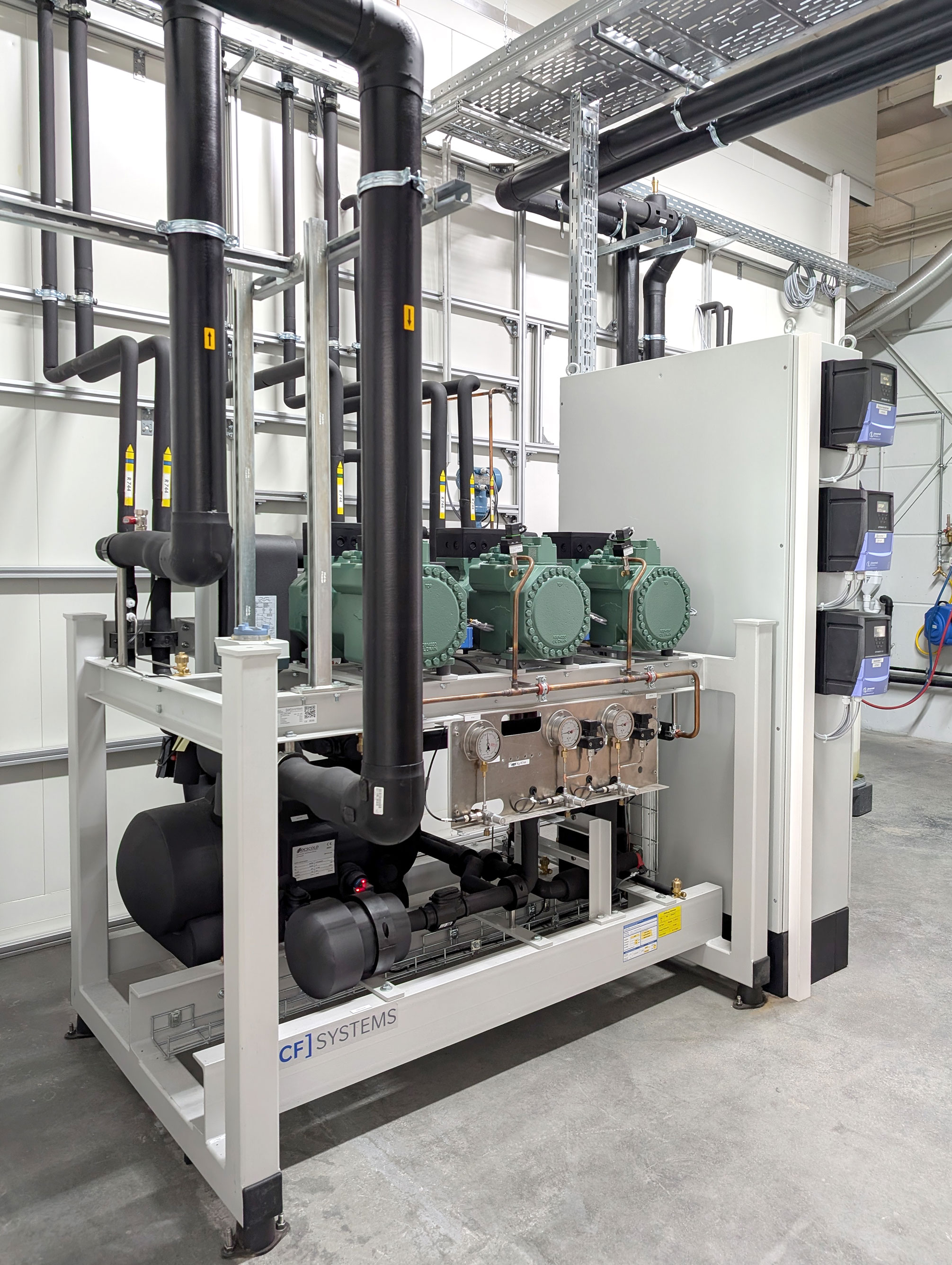
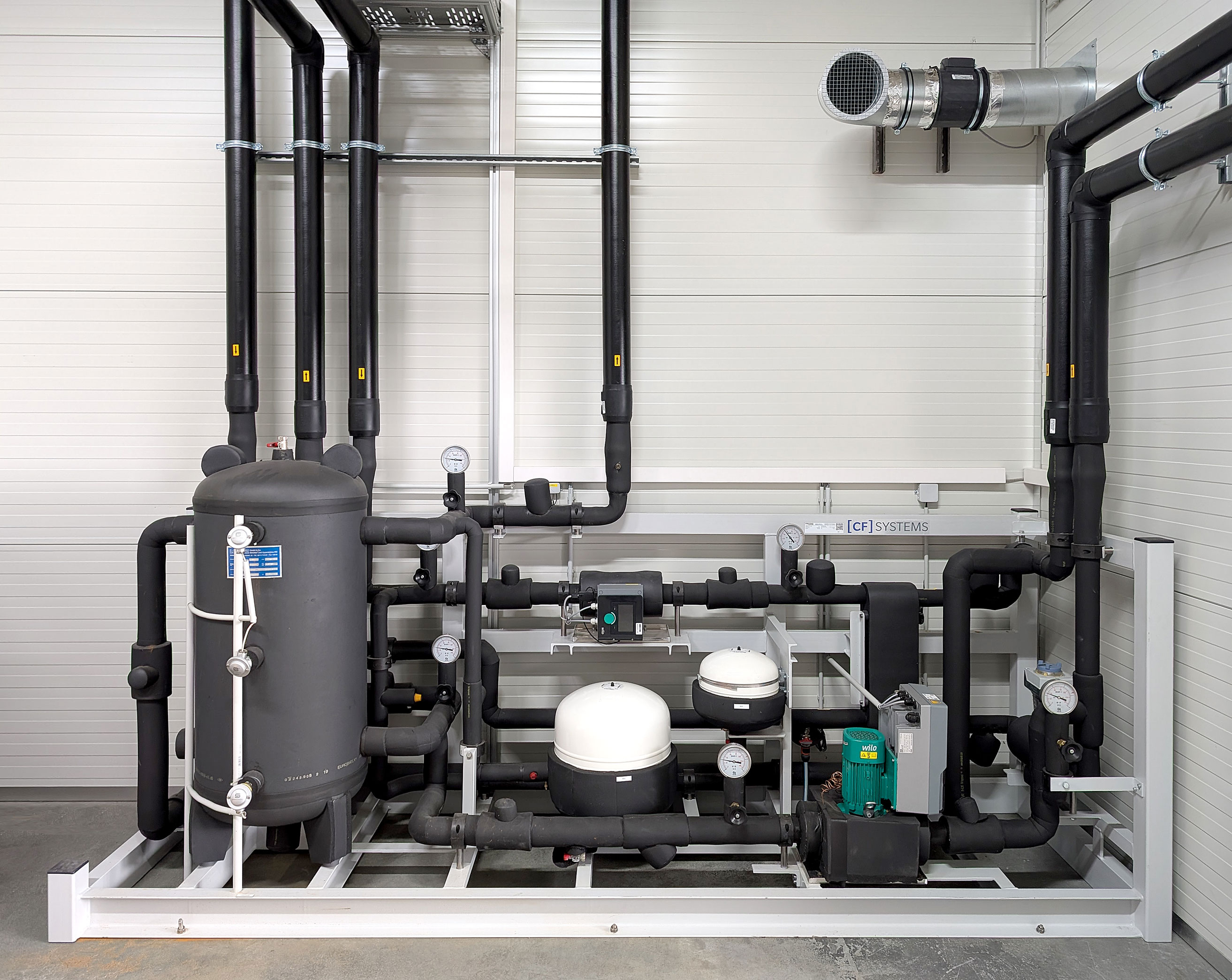
Refrigeration is supplied by a subcritical CO₂ booster system specially designed and built to meet Walter Roller’s requirements. This ensures compliance with key parameters specified by DIN EN 328 (the standard for performance testing of fan-assisted air coolers). The test range covers cooling capacities from 3 to 15 kW and temperatures between -31 °C and 0 °C. In addition, water and brine air coolers from the H₂OCooler series can also be tested. This represents an important step in meeting future market requirements and supporting the trend towards sustainable, natural refrigerants and indirect cooling systems.
Targeted simulation of real-world and extreme conditions
To reproduce realistic as well as extreme climatic scenarios within the test cell, a high-performance steam generation system has been integrated. This makes it possible to simulate different frost and icing conditions on low-temperature evaporators, enabling the optimisation of defrost systems under realistic operating loads.
This area is becoming increasingly important because the use of flammable refrigerants is subject to stringent safety requirements. All surface temperatures must remain at least 100 K below the ignition temperature of the refrigerant or its components. The defrost systems of the new MultiRef series (Multiple Refrigerants) are therefore being fundamentally redesigned. Customers benefit directly from this additional development effort, as they receive a fully compliant solution without having to deal with complex temperature limits or the conformity requirements of individual air-cooler components themselves.
Growing requirements in plant engineering: Air coolers as multifunctional subsystems
As efficiency requirements increase and customer demands become more specific, expectations for modern air coolers are also changing. Increasingly, customers require more than a unit that simply “provides cooling”; they need a highly flexible subsystem that:
- manages refrigerant or secondary refrigerant control,
- intelligently regulates air volume through fan speed control,
- controls humidity levels through targeted reheating.
The new test chamber enables the Walter Roller development team to optimise the interaction between defrost systems, fan units, valve assemblies and other components with maximum precision. The result is reduced commissioning effort for system builders and practical plug-and-play solutions that significantly shorten installation times on site.